Encounters with the Patupaiarehe ~ Whispers from the Misty Hills of New Zealand
In the rich tapestry of Māori oral traditions, the Patupaiarehe (also known as tūrehu or pakepakehā) are described as fairy-like supernatural beings — he iwi atua — who have inhabited the forests and misty mountain tops of New Zealand long before recorded history. They are said to be pale-skinned, with light or white complexions sometimes likened to albino tones or the reddish hue of ochre. Their hair is often fair, golden, or strikingly red (urukehu), and their features are fine and delicate. Unlike Māori, they were never tattooed. Some accounts describe them as human-sized, while others speak of them as smaller or even taller, but they are consistently portrayed as shy, elusive, and deeply connected to the natural world.
They live nocturnally or in heavy mist, drawing fog around themselves for protection, as direct sunlight is said to be harmful or even fatal to them. They eat only raw food, shun fire and steam, and are known for their joyful, musical nature — singing like cicadas, playing haunting melodies on wooden and bone flutes (putorino and koauau), and filling the hills with chatter and song. Peaceful guardians of sacred places (wāhi tapu), they are rarely seen but can be heard in the swirling mists, where their homes are said to be built from clouds themselves. In many traditions, they taught early Māori skills such as net-making and shared knowledge of the land.
Māori oral histories recount that when the first waka arrived from the Pacific Islands and beyond, the Patupaiarehe were already here — the original tangata whenua of these shores, with sub-tribes like Ngāti Kura, Ngāti Korakorako, and Ngāti Tūrehu dwelling in remote peaks and forests. They coexisted, sometimes intermingling, and their encounters shaped stories passed down through generations. Yet in the scientific world, there is ongoing speculation. While no archaeological evidence supports the existence of a pre-Māori human population, these persistent oral accounts — from elders like Hoani Nahe of Ngāti Maru — continue to intrigue researchers, anthropologists, and storytellers alike.
Are they purely mythical, or echoes of something real lost to time? The debate endures, blending folklore with the deep respect for ancestral knowledge that defines Aotearoa’s cultural landscape.For me, there is no debate.
I know the Patupaiarehe exist because I have walked among them.
As a 10-year-old child, I spent my summer holidays on a farm on the east coast of New Zealand’s North Island.
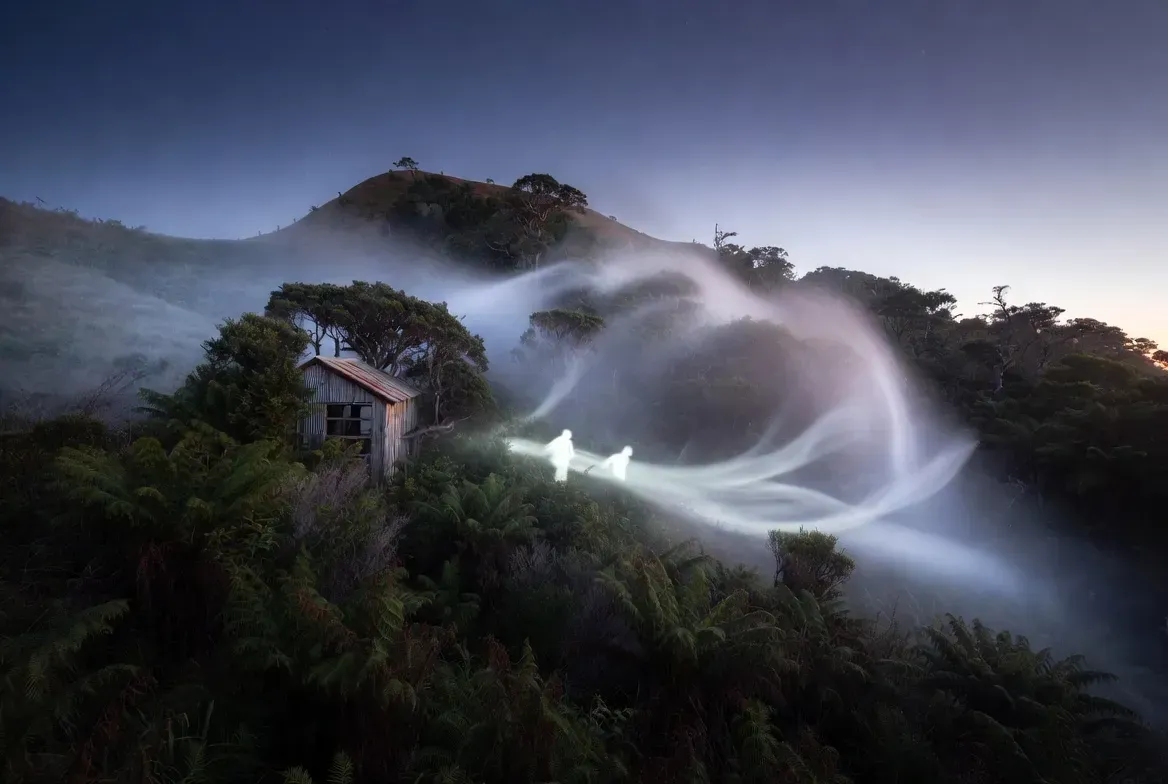
I was a curious explorer, often wandering alone into the hills and bush behind the property. One bright day, I stumbled upon an old, abandoned shed or building tucked away in the landscape. Something drew me toward it — a quiet compulsion — but an instinctive wave of danger washed over me, urging caution. Then I heard it: a chorus of chatter, singing, and lively sounds echoing from inside.
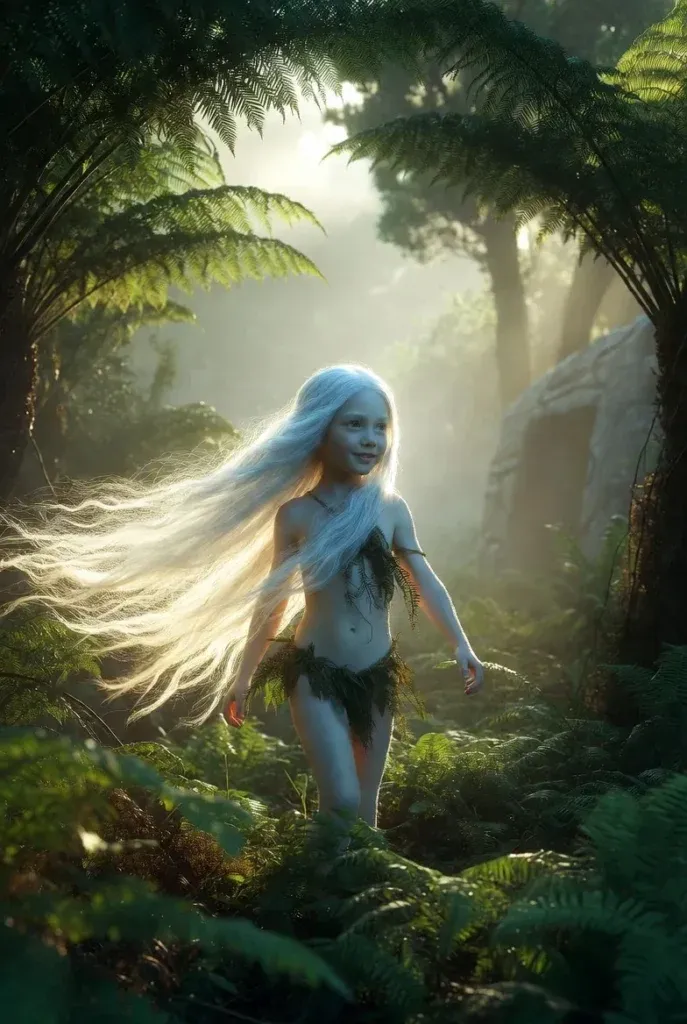
Moments later, what appeared to be a little girl emerged. She was about my height, with the most beautiful white-as-snow hair, pale skin, and fine, delicate features. She didn’t speak aloud; instead, her voice came gently into my mind. “My family is inside,” she told me telepathically, “but they are far too shy. You need to stay away from there.” Despite the warning, a warm friendship blossomed instantly. We played, sang, and danced together in the clearing. She was the most incredible companion — full of joy and wonder.
Every day after that, I would make the trek up the mountain to meet her. Her family’s singing always hummed softly in the background, a constant, comforting melody woven into the breeze.
On one return trip to the farm, I took an unfamiliar route and found myself sinking into a bog — terrifying, quicksand-like mud that pulled me down fast. I was too far from help; no one would hear my screams. Panic set in as I struggled. Then a strange fog rolled over me. Years later, suppressed memories surfaced: my Patupaiarehe friends had come to my rescue. One moment I was drowning in the bog; the next, I was safely in the next paddock over, dry and unharmed.
From that day forward, whenever I ventured into the bush, I would hear them — their distinctive chatter, singing, and what I came to recognise as their “wind whirleys,” those swirling, flute-like sounds carried on the air. They became my unseen guardians and playmates.
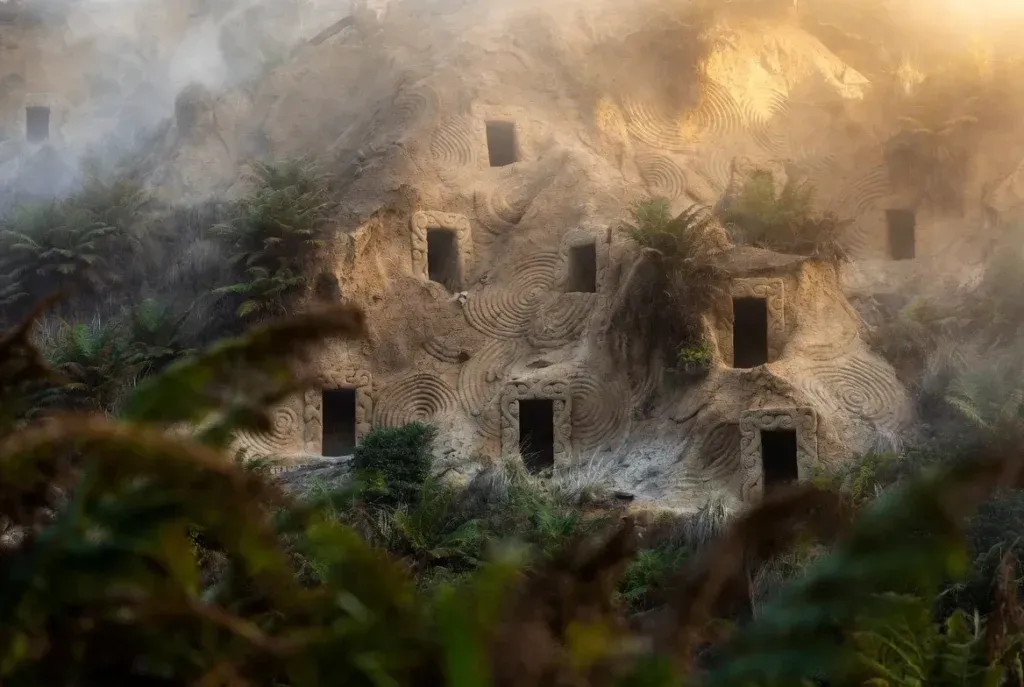
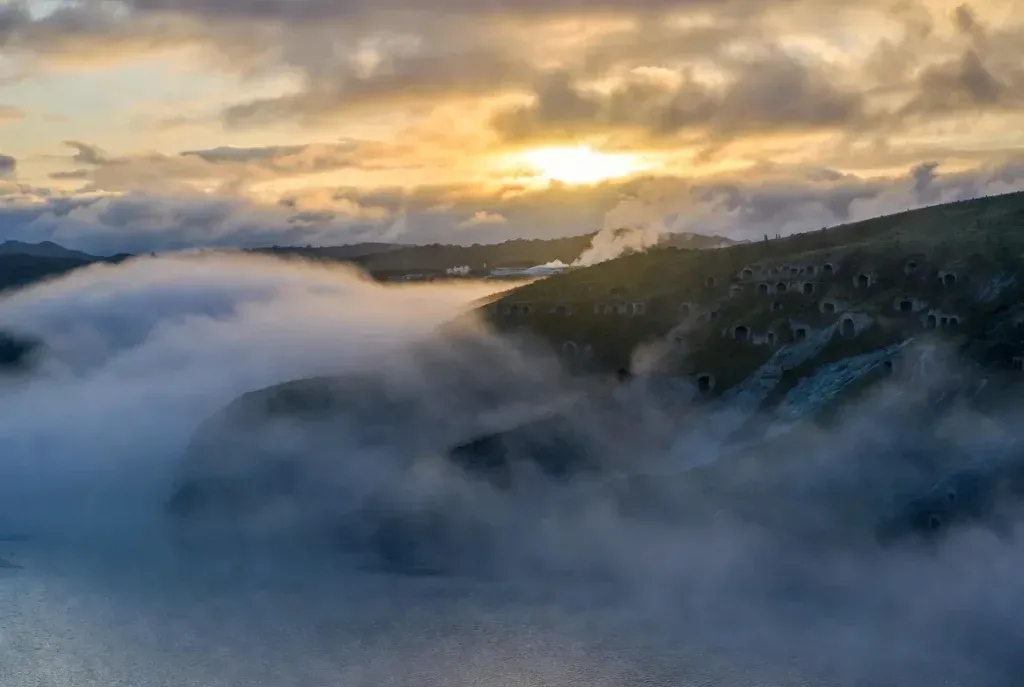
Many years later, on a trip to Rotorua, I was walking around a lake when I came across a hillside dotted with small, carved caves. The doorways were tiny, perfectly sized for beings like the Patupaiarehe. As late afternoon light faded and a thick fog began to roll in, the familiar sounds of chatter and singing filled the air.
This time, the message was clear: Leave this place and head back to the car. I had learned over the years to heed those subtle warnings with deep respect, and I did exactly that.
I know without a shadow of a doubt that they exist. The connection I felt was so profound that, one day while soaking in Ngawha’s hot mineral pools, I silently asked, “Please give me a sign if I am connected or related to the Patupaiarehe people.” Within minutes, a little boy ran past my pool, laughing, with his mother chasing after him and calling out, “Paierehe!” The timing was too perfect, too beautiful — a gentle, affirming wink from the misty realms.
These experiences have stayed with me my whole life, a reminder that Aotearoa holds mysteries beyond what science can yet explain. The Patupaiarehe are not just stories from the past; they are part of the living spirit of the land — shy, musical, protective, and ever-present in the fog-kissed hills.
If you listen closely on a misty day in the bush, you might hear them too. Just remember to tread lightly, show respect, and perhaps… they will share their song with you.
If you would like to read more stories from my life, you might be interested in my e-book
-
Navigating the Madness
Navigating the Madness and How to Stay Centred When the World Feels Like It’s Losing Its Mind We’ve…
-
The Empress
The Empress arrives like a warm embrace from Mother Nature herself. After the quiet inner knowing of The…
-
The High Priestess
The High Priestess sits quietly between the pillars of light and dark, inviting us to listen deeper. After…